Most women own both a sports bra and a regular bra, but not everyone stops to think about why they are actually different. It is easy to assume a bra is a bra, and to reach for whatever is clean and on top of the drawer, whether you are heading to the gym or just getting through a regular day at home or work.
The truth is, a sports bra and a regular bra are built for two different jobs. One is designed around movement, and the other is designed around everyday shape and coverage. Wearing the wrong one for the wrong moment is usually why a bra that felt fine yesterday suddenly feels wrong today.
This guide breaks down the real sports bra vs regular bra difference in plain terms, so you can choose confidently, whether you are working out, running errands, or simply deciding what to wear under your kameez for the day.
What Is a Sports Bra?
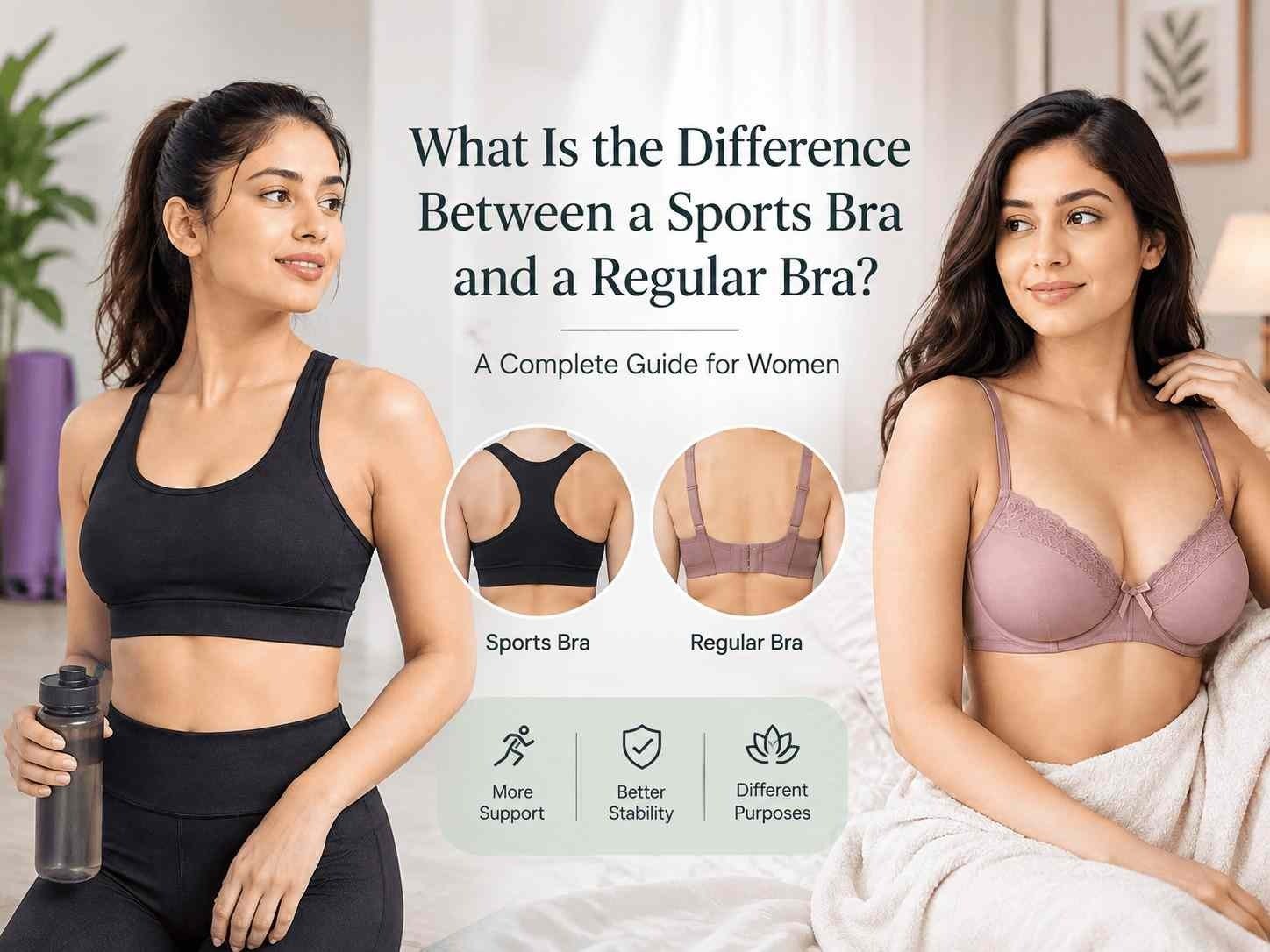
A sports bra is designed specifically to support the body during physical activity. Its main job is to reduce breast movement while you walk, run, stretch, or exercise, so that activity feels comfortable rather than bouncy or restrictive.
A women’s sports bra usually has a wider band, thicker straps, and a snugger, more compressive fit than an everyday bra. Many styles are pull-over designs without hooks, made from stretchy, breathable fabric that moves with the body instead of against it.
Sports bras also come in different support levels, from light styles suited to walking or yoga, to high-support designs built for running or high-impact workouts. The right one depends entirely on what you are doing in it.
What Is a Regular Bra?
A regular bra, sometimes called an everyday or daily bra, is designed for shape, coverage, and comfort under regular clothing rather than for movement or activity.
It typically includes features like underwire, adjustable straps, hook and eye closures at the back, and cups built to give a certain shape under kurtis, shirts, or dresses. Fabrics range from cotton and lace to satin and padded microfibre, chosen more for look and everyday comfort than for controlling motion.
A regular bra is meant to be worn through a normal day of sitting, walking, and light movement. It is not engineered to hold everything in place through a run or a fast workout, and it was never meant to be.
Sports Bra vs Regular Bra: What Is the Difference?
Once you place a sports bra and a regular bra side by side, the differences are easy to see. Here is what actually separates the two.
Support
A sports bra is built to control movement in more than one direction, holding the bust firmly in place during activity. A regular bra offers shape and lift for standing or sitting still, but it is not designed to manage the up-and-down or side-to-side motion that happens during exercise.
Movement
This is really where the sports bra vs regular bra comparison comes down to purpose. Sports bras are tested and designed around movement, from walking to running to jumping. Regular bras are designed for a mostly still day, so movement was never part of the original design.
Fabric and Construction
Sports bras use stretch, moisture-wicking fabrics such as cotton-spandex or technical blends that pull sweat away from the skin and flex with the body. Regular bras often use cotton, lace, satin, or padded microfibre, chosen for softness and appearance rather than for handling sweat or intense movement.
Straps and Band
Sports bras generally have a wider band and thicker, often crossed or racerback straps to spread pressure evenly and keep everything anchored during activity. Regular bras usually have a narrower band and thinner, fully adjustable straps, since their main job is a comfortable everyday fit rather than holding steady through motion.
Comfort
Comfort means something different for each. A sports bra should feel secure and snug without restricting your breathing or movement during exercise. A regular bra should feel soft and unnoticeable through a normal day, without digging in at the band, straps, or underwire.
Purpose
At the core, a sports bra exists to support the body during physical activity, while a regular bra exists to provide shape, coverage, and comfort for daily wear. Neither is designed to fully replace the other, because they were never meant to do the same job.
When Should You Wear a Sports Bra?
A sports bra makes the most sense any time your day involves real movement. That includes the gym, a jog around the park, a home workout, badminton or cricket with friends, brisk walking, or even a long day of travel where you are on your feet for hours.
It is also a practical choice for active household days, such as when you are constantly bending, lifting, or moving between rooms, since the extra support reduces discomfort that a regular bra was not built to handle.
Can You Wear a Sports Bra Every Day?
Many women ask whether a sports bra for daily use makes sense, and the honest answer is that it depends on the style and the day. Lighter, seamless cotton sports bras can work well as a comfortable daily option, especially on days when you want something soft and low-maintenance.
That said, everyday wear is not what most sports bras are designed around. They often lack the shaping, coverage options, and outfit versatility of a regular bra, so fitted kurtis, structured shirts, or dressier outfits may not sit the same way over a sports bra. Using one occasionally for comfort is different from replacing your entire everyday bra collection with it.
Can You Exercise in a Regular Bra?
Exercising in a regular bra is generally not a good idea, even for light activity. Regular bras are not built to control movement, so bouncing during a workout can quickly become uncomfortable, and underwire in particular can dig in or shift as you move.
If a workout is unplanned and a sports bra is not available, a soft, wire-free regular bra is a safer temporary option than an underwired or heavily padded one. But for any regular exercise routine, a proper sports bra for exercise is worth having in your wardrobe rather than relying on a regular bra to do a job it was not designed for.
How to Choose the Right Sports Bra
Choose the Right Size
A sports bra that is too loose will not control movement, and one that is too tight can restrict breathing or leave marks. Use your regular bra measurements as a starting point, but always try the fit itself, since sports bra sizing can run differently across brands and styles.
Consider Your Activity
Match the bra to what you actually do most. Walking, yoga, or light stretching usually only need light support, while running, aerobics, or high-impact training call for medium to high support styles built to limit more movement.
Choose the Right Level of Support
Sports bras are generally grouped into light, medium, and high support. Choosing based on your usual activity, rather than picking the highest support option by default, gives you a better balance of comfort and performance.
Look for Comfortable Fabric and Construction
Breathable, moisture-wicking, stretch fabric makes a real difference during activity. Flat seams, soft edges, and a wide band also help prevent chafing and digging in, especially during longer sessions.
Consider Your Personal Comfort
Beyond size and support level, notice how the bra actually feels on you. It should stay in place without needing constant adjustment, and it should not pinch at the shoulders, ride up at the back, or feel restrictive when you raise your arms.
Common Sports Bra Mistakes to Avoid
• Choosing a sports bra based only on how it looks, without checking the support level it actually offers for your activity.
• Wearing an old, stretched-out sports bra that has lost its elasticity and no longer controls movement the way it should.
• Picking a size based on a regular bra size alone, instead of trying the actual fit, since sizing can vary between styles and brands.
• Using a light-support sports bra for high-impact activity, which leaves the bust under-supported during movement.
• Ignoring the band fit and focusing only on the cups, when the band is what keeps the whole bra anchored in place.
How to Care for Your Sports Bra
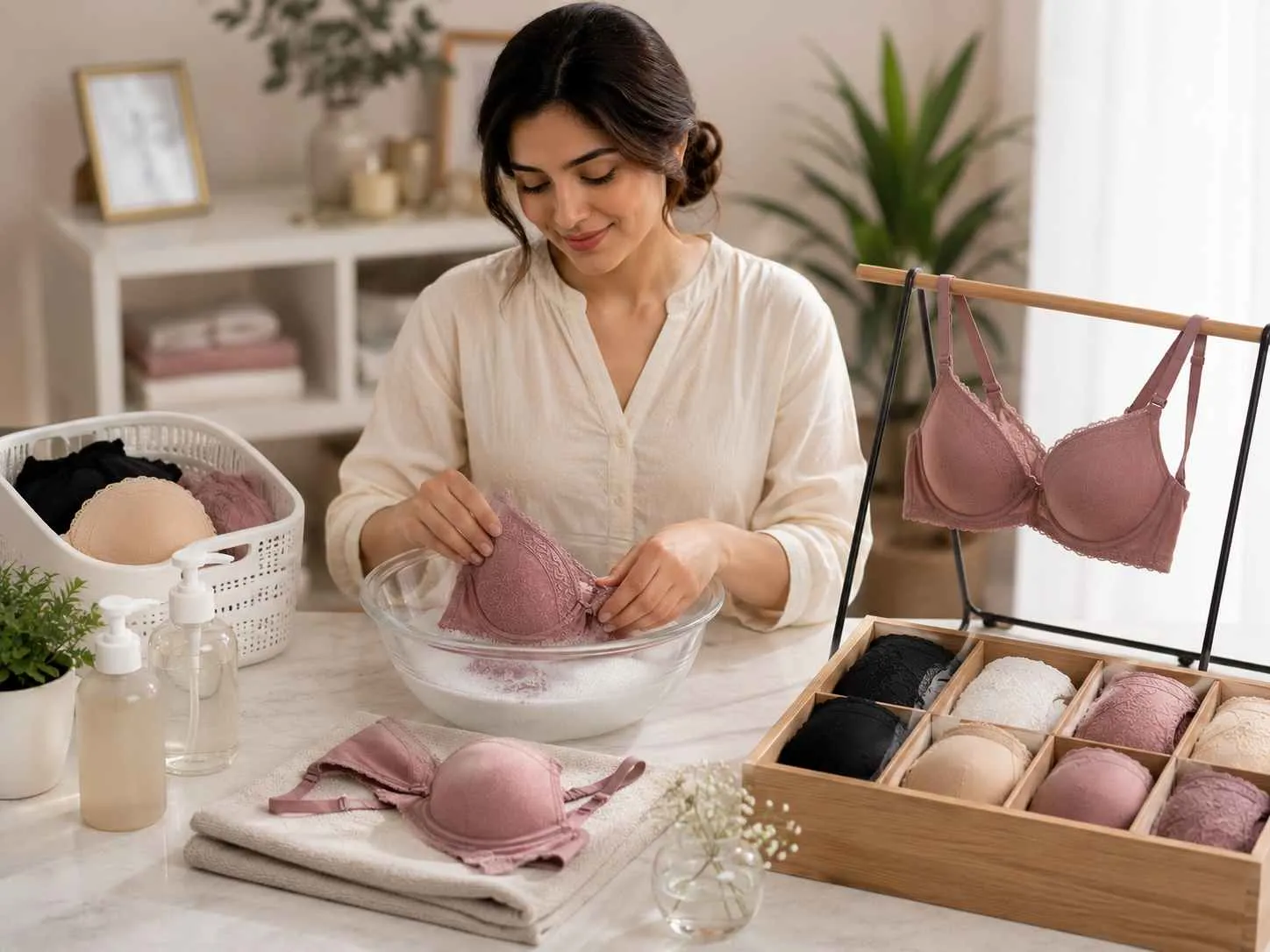
A sports bra works hard, so a little care goes a long way in keeping its support intact. Hand washing in cool water helps preserve the elastic in the band and straps, since hot water and harsh spinning can break down stretch fabric faster.
Avoid using fabric softener, since it can coat moisture wicking fibres and reduce their breathability. Letting sports bras air dry flat, away from direct heat, also helps them hold their shape for longer.
If you would like a more detailed routine for keeping any bra in good condition between wears, our guide on how to take care of your bra covers washing, storing, and extending the life of your everyday pieces as well.
Sports Bra vs Regular Bra: Quick Comparison
Feature
Sports Bra
Regular Bra
Main Purpose
Support during activity
Shape and coverage for daily wear
Support Style
Compression or encapsulation, multi-directional
Lift and shape, mostly static
Fabric
Moisture-wicking, stretch blends
Cotton, lace, satin, padded microfibre
Band and Straps
Wide band, thick straps
Narrower band, adjustable straps
Closure
Often pull-over, few or no hooks
Usually hook and eye at the back
Best Suited For
Exercise, sports, active days
Everyday wear under regular clothing
FAQ’s
1. Can I wear a sports bra instead of a regular bra every day?
You can, especially lighter, seamless styles that are comfortable for all-day wear. Just keep in mind that most sports bras offer less shaping and outfit versatility than a regular bra, so how well it works depends on the style and what you are wearing over it.
2. Is a sports bra better than a regular bra?
Neither is better overall, since they are designed for different purposes. A sports bra is better for activity and movement, while a regular bra is better suited to everyday shape and coverage under clothing.
3. Can a regular bra be used for light exercise like walking?
A soft, wire-free regular bra can be acceptable for very light activity, but it will not control movement the way a sports bra does. For regular walks or any consistent activity, a proper sports bra for exercise is a more comfortable long-term choice.
4. How do I know what support level of sports bra I need?
Match the support level to your activity. Light support suits walking, yoga, or low-key days, medium support works for cardio or dance-style workouts, and high support is meant for running or high-impact training.
5. Do sports bras run the same size as regular bras?
Not always. Many sports bra styles are designed with a different fit structure than regular bras, so it is best to try a style on rather than assuming your regular bra size will translate exactly.
6. Can I wear a padded sports bra under regular clothes?
Yes, many women do this comfortably, especially with smooth, seamless styles that do not show lines under fitted tops. It comes down to personal preference and how the specific style sits under your outfit.
7. How often should I replace my sports bra?
It depends on how often you wear and wash it, but most sports bras start losing elasticity and support after several months of regular use. If the band feels loose or the fabric no longer bounces back after stretching, it is time for a new one.
8. Is it okay to sleep in a sports bra?
Sports bras are designed for activity, not sleep, so they are generally not necessary overnight. A soft, wire-free bra or no bra at all is usually more comfortable for sleeping.
9. What should I look for in a sports bra for exercise in Pakistan’s climate?
Breathable, moisture-wicking fabric matters even more in warm, humid weather, since it helps sweat evaporate instead of sitting against the skin. Lighter colours and a well ventilated construction can also help you stay more comfortable during outdoor activity.